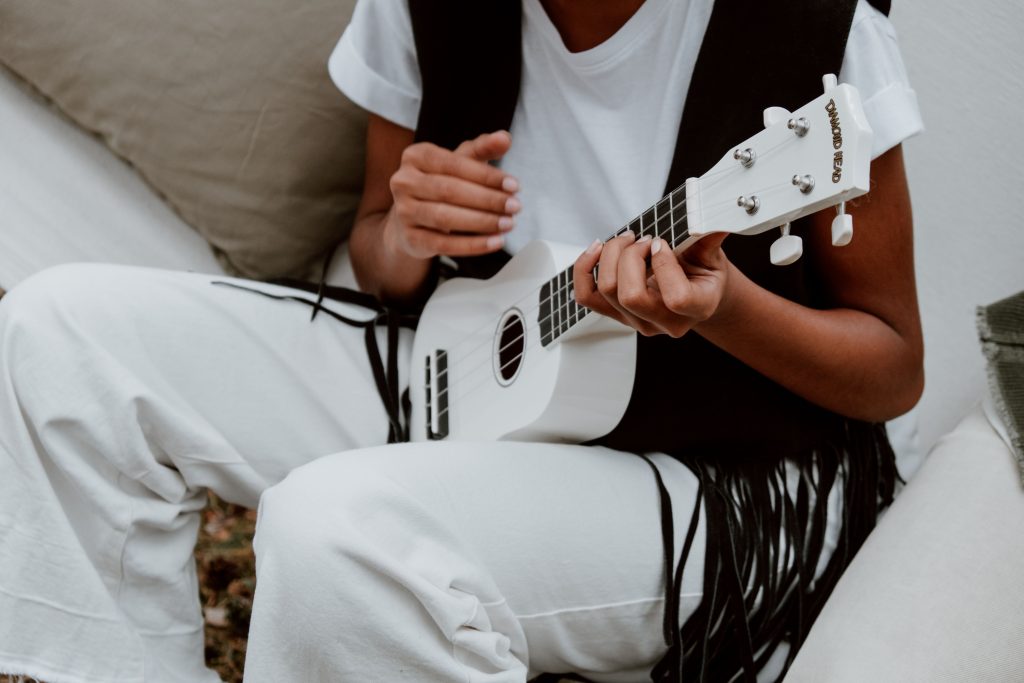
Starting music lessons in Singapore is often something people think about for quite some time before taking the first step. It may be something you have always wanted to try, or a new interest you are finally making time for.
It is normal to feel uncertain at the beginning. Many people wonder if they are starting too late, whether they need any background knowledge, or how difficult learning an instrument might be.
At Studio 72, we welcome students from all walks of life. Some arrive with zero musical experience, while others return after a long break. What matters most is not what you already know, but your willingness to learn.
To help you feel more prepared, here are 25 of the most frequently asked questions about learning music in Singapore.
Getting Started with Music Lessons
1. Is there a right age to begin music lessons?
There is no specific age that works best. Children, teenagers, and adults can all learn successfully. What matters most is interest and consistency.
2. Can someone start music lessons with no experience?
Yes. Most learners begin without any prior training. Lessons are structured to guide you step by step, even if everything feels completely new.
3. Which instrument should a beginner choose?
There is no single best instrument. Piano, guitar, ukulele, and drums are all popular starting points. The right choice depends on what music inspires you.
4. How do I know which instrument suits me?
Think about the music you enjoy listening to. If you are unsure, trying a lesson can help you experience an instrument before deciding. For example, if you are interested in rhythm and timing, exploring drum lessons in Singapore may be a good option.
5. Is it possible to try a lesson first?
Yes. A trial lesson is often the easiest way to get started. It allows you to experience the teaching style and learning environment before committing.
6. What happens in the first lesson?
Your first lesson is usually relaxed. The instructor will understand your goals, assess your level, and introduce basic concepts of your instrument.
Learning and Progress
7. How long does it take to learn guitar?
Most beginners can play simple songs within a few months of regular practice. Progress depends more on consistency than natural ability.
8. How long does it take to learn piano?
Basic pieces can often be learned within a few months. More advanced playing develops gradually with steady practice.
9. How often should lessons take place?
Weekly lessons are most common. They provide structure while allowing enough time for practice between sessions.
10. How much should I practise at home?
Short, consistent practice sessions are more effective than occasional long ones. Even 15 to 30 minutes a few times a week helps.
11. Are private lessons better than group lessons?
Private lessons offer personalised attention, while group lessons provide a more social learning experience. The choice depends on your preference.
12. Can music be learned just for enjoyment?
Yes. Many students learn music as a hobby. It is a relaxing and creative activity that fits into daily life.
Costs and Scheduling
13. How much do music lessons cost in Singapore?
Fees vary depending on the instrument, lesson duration, and instructor experience. It is best to contact Studio 72 for accurate information.
14. Are there any registration fees?
This depends on the programme. It is best to check the latest details when enquiring.
15. Do beginners need to buy an instrument immediately?
Not necessarily. Many students start lessons first before purchasing an instrument. Teachers can guide you when you are ready.
16. Can lessons be rearranged if needed?
Most studios have rescheduling policies. It is best to confirm this before enrolling.
17. Are weekend lessons available?
Yes. Weekend lessons are popular for those with weekday commitments.
18. Are lesson timings flexible?
Flexibility depends on availability, but many studios try to accommodate different schedules where possible.
Studio 72 Questions
19. Where is Studio 72 located?
Studio 72 is centrally located in the CBD in Singapore, along the iconic Boat Quay at Circular Road shophouses. It is accessible from different parts of the island.
20. Is parking available nearby?
Yes, there are parking options close to the studio. It is advisable to park at the Riverwalk Apartment or UOB Plaza.
21. Can I reach Studio 72 by public transport?
Yes. The studio is accessible by 2 MRT stations (Raffles Place & Central) and bus, making it convenient for most students.
22. What instruments are available at Studio 72?
Studio 72 offers lessons across different instruments. For the latest list, it is best to contact the studio directly.
23. Are trial lessons available?
Yes. Trial lessons allow you to experience the learning environment before committing.
24. What are the benefits of learning music?
Music improves focus, coordination, discipline, and creativity. It also provides a meaningful way to express yourself and relax.
25. How do I begin my music learning journey?
Getting started is simple. You can speak to our team to discuss your goals, explore lesson options, and arrange a trial lesson.
Why Students Choose Studio 72 for Music Lessons in Singapore
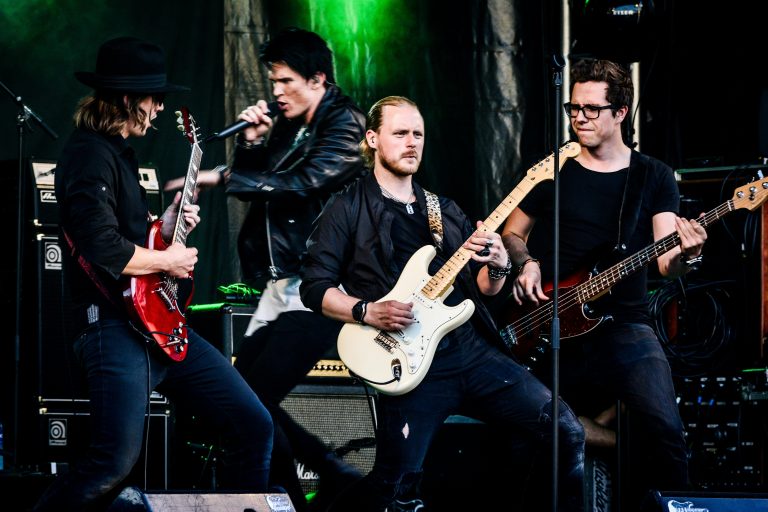
Studio 72 combines personalised instruction, experienced teachers, and regular performance opportunities to help students build skills and confidence through music.
Personalised Learning Approach
Lessons are tailored to each student’s goals, learning pace, and musical interests, making progress more effective and enjoyable.
Weekly Student Jams
Regular student jam sessions allow students to perform, collaborate with fellow musicians, and gain valuable practical experience in a supportive setting.
Year-End Student Showcase
Students can participate in the annual showcase event, celebrating their achievements while building confidence through live performance experience.
Flexible Scheduling Options
Lesson times can often be arranged to suit different work, study, and lifestyle commitments.
Experienced Instructors
Students learn from experienced instructors who provide structured guidance while keeping lessons engaging and inspiring.
Supportive Learning Environment
A positive and encouraging atmosphere helps students stay motivated, develop confidence, and enjoy their musical journey.
Conclusion
Learning music is a gradual journey that develops through consistent practice and proper guidance. There is no single right time to start, only the decision to begin.
Whether you are a complete beginner or returning after a break, music can become a meaningful part of your life.
If you are ready to start, you can speak to our team and find the right learning path for you.
Frequently Asked Questions
Is it too late to start learning music?
No, it is never too late. People begin learning at different stages of life. Consistency and interest matter more than age.
How many music lessons do beginners need?
There is no fixed number. Progress depends on individual goals, practice habits, and learning pace.
Can I learn music without reading notes?
Yes. Many beginners start by learning through listening and playing before introducing music notation.
Are private music lessons worth it?
Yes. Private lessons offer focused guidance and personalised learning plans that support steady progress.
How do I know which instrument is right for me?
The best way is to try a trial lesson and explore what feels most enjoyable and natural for you.