
Great rhythm is what makes music feel tight, balanced, and enjoyable to listen to. For bassists and drummers, timing is especially important because they create the rhythmic foundation of a band. When the groove is steady, the entire performance sounds more polished and connected.
Many musicians taking music lessons in Singapore focus on rhythm training to improve their timing, coordination, and overall musical confidence. The good news is that rhythm is a skill that can be strengthened with consistent practice and the right techniques.
This guide shares practical rhythm training tips for bassists and drummers to help improve groove, timing accuracy, and musical control.
Why Rhythm Training Matters
Timing Keeps Music Together
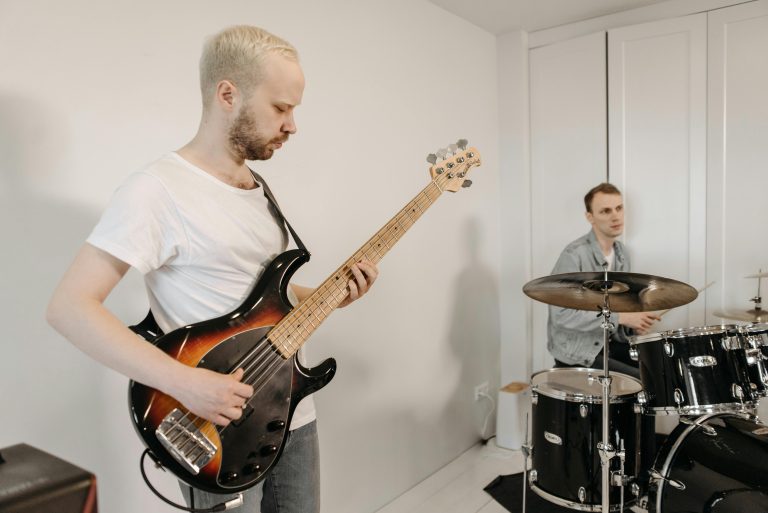
Drummers establish the tempo and feel of a song, while bassists support the groove by locking in with the drum patterns. Strong timing helps musicians stay synchronised and keeps performances sounding controlled and natural.
Without good rhythm, even technically skilled playing can feel rushed or unsteady.
Rhythm Improves Overall Musicianship
Regular rhythm training can help musicians:
- Improve timing accuracy
- Strengthen coordination
- Build confidence during performances
- Adapt to different music styles
- Play more consistently with other musicians
Developing rhythm skills also makes learning new songs and techniques easier over time.
Core Rhythm Training Techniques
Practise with a Metronome
A metronome is one of the best tools for improving timing. It helps musicians maintain a steady tempo and develop stronger internal rhythm.
For better results:
- Start slowly and increase speed gradually
- Focus on consistency rather than speed
- Practise simple grooves first
- Use a metronome daily
Regular metronome practice helps reduce rushing and dragging.
Learn Subdivisions
Subdivision practice improves rhythmic accuracy by helping musicians understand smaller note divisions within each beat.
Common subdivisions include:
- Quarter notes
- Eighth notes
- Triplets
- Sixteenth notes
Counting subdivisions aloud can improve timing awareness and groove control.
Count While Playing
Counting out loud helps reinforce timing and keeps musicians connected to the rhythm structure of a song.
This simple exercise can help:
- Improve consistency
- Prevent timing mistakes
- Strengthen coordination
- Develop better rhythmic awareness
Rhythm Exercises for Bassists
Lock In with the Kick Drum
Bassists should focus on matching their timing closely with the kick drum. This creates a tighter groove and stronger rhythmic foundation.
Helpful practice tips include:
- Match bass notes with kick drum accents
- Keep rhythms simple and controlled
- Focus on steady timing
- Avoid overplaying
Simple grooves played consistently often sound stronger than complex patterns.
Repeat Simple Grooves
Repetition helps build muscle memory and timing control. Instead of constantly changing exercises, spend time making simple bass grooves feel clean and steady.
Focus on:
- Consistent tempo
- Even note spacing
- Clean transitions between notes
- Relaxed playing technique
Play Along with Backing Tracks
Backing tracks help bassists practise timing in a realistic musical setting.
Benefits include:
- Improving groove with other instruments
- Building confidence for performances
- Learning different musical styles
- Developing stronger listening skills
Students attending bass guitar lessons often use backing tracks to improve rhythm and musical timing more naturally.
Rhythm Exercises for Drummers
Practise Basic Rudiments
Rudiments help drummers improve control, coordination, and timing consistency.
Essential rudiments include:
- Single strokes
- Double strokes
- Paradiddles
- Flam exercises
Focus on clean and even strokes before increasing speed.
Improve Limb Independence
Drummers need strong coordination between their hands and feet. Independence exercises help each limb work separately while maintaining a steady rhythm.
To improve coordination:
- Start with simple patterns
- Practise slowly at first
- Increase difficulty gradually
- Prioritise timing accuracy
Use Click Tracks
Click tracks help drummers develop reliable tempo control and stronger internal timing.
Regular click practice can help with:
- Tempo consistency
- Recording preparation
- Live performance control
- Timing discipline
Common Rhythm Mistakes
Rushing or Dragging
Many musicians unintentionally speed up or slow down while playing. This usually happens when internal timing is underdeveloped.
To improve timing:
- Practise more slowly
- Use a metronome regularly
- Stay relaxed while playing
- Focus on listening carefully
Inconsistent Practice
Irregular practice can slow progress significantly. Short daily sessions are often more effective than long but inconsistent practice routines.
Even 20 to 30 minutes of focused rhythm training each day can produce steady improvement.
Overplaying
Some musicians focus too much on technical complexity instead of groove and timing.
Strong rhythm often comes from:
- Simple and controlled playing
- Consistent timing
- Supporting the song naturally
- Listening carefully to the band
Simple Ways to Improve Rhythm Faster
Record Your Practice
Recording practice sessions helps musicians identify timing problems more clearly.
Listening back can reveal:
- Uneven timing
- Tempo changes
- Weak groove sections
- Areas needing improvement
Play with Other Musicians
Playing with others helps improve rhythm naturally by developing listening and timing awareness in real musical situations.
It also helps musicians:
- Stay locked into the groove
- Improve communication skills
- Adapt timing more naturally
- Build performance confidence
Build a Consistent Routine
Consistent practice is one of the fastest ways to improve rhythm. A simple daily routine helps strengthen timing and coordination gradually without becoming overwhelming.
Why Professional Training Helps
While self-practice is valuable, professional guidance can help musicians improve more efficiently. Structured lessons provide feedback, targeted exercises, and clearer progression.
Professional rhythm training can help with:
- Correcting timing mistakes early
- Improving practice structure
- Building stronger groove and coordination
- Increasing confidence during performances
For many learners in Singapore, guided music training provides a more effective path towards improving rhythm skills. If you would like personalised guidance to improve your timing and groove, feel free to contact our team for more information about available lessons and training programmes.
Conclusion
Strong rhythm and timing are essential for bassists and drummers because they shape the foundation of every performance. Improving these skills takes consistent practice, patience, and focused training.
Whether you are practising with a metronome, using backing tracks, or rehearsing with other musicians, small improvements made regularly can lead to a stronger groove, better coordination, and greater musical confidence over time.
Frequently Asked Questions
How do bassists improve rhythm and timing?
Bassists improve rhythm by practising with a metronome, locking in with the kick drum, and playing along with backing tracks regularly.
What exercises help drummers improve rhythm?
Drummers improve rhythm through rudiment practice, limb independence exercises, and click track training.
Why is a metronome important for rhythm training for bassists and drummers?
A metronome helps bassists and drummers keep steady timing, improve rhythm accuracy, and develop better tempo control during practice and performances.
How long does it take to improve rhythm and timing skills for bassists and drummers?
Most bassists and drummers can improve rhythm and timing skills within a few weeks to months with regular daily practice and consistent rhythm training.
Can beginners improve rhythm and timing skills without music lessons?
Yes, beginners can improve rhythm and timing skills through regular practice with a metronome and simple rhythm exercises, although music lessons can help speed up progress.