Choosing between keyboard and piano lessons in Singapore depends on what you want to play, how you practise, and what suits your home. For adults considering adult music lessons in Singapore, the right choice often comes down to musical goals, available space, budget, and the type of playing experience you prefer.
There is no universally better instrument. Understanding the main differences can help you choose one that fits your lifestyle and keeps you motivated to practise.
What Is the Difference Between a Keyboard and a Piano?
An acoustic piano produces sound mechanically when hammers strike strings. The resistance of its keys also contributes to the way a pianist controls volume, expression and articulation.
A keyboard produces sound electronically and may offer different instrument sounds, rhythms, effects and other features. Many models can also be used with headphones for quieter practice.
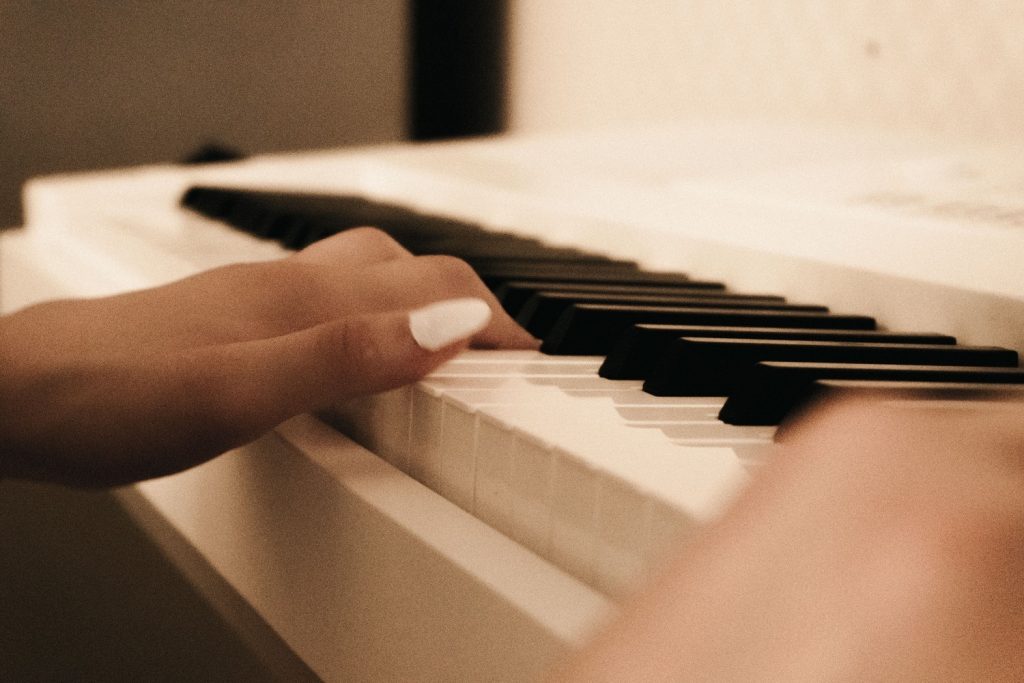
A digital piano is another option. It is an electronic instrument designed primarily to reproduce the sound and feel of an acoustic piano, usually with weighted or hammer-action keys.
Keyboard vs Piano: Key Differences for Adults
For adult learners, the differences between a keyboard and a piano are not just about how they sound. Key feel, practice conditions, available space, and ongoing maintenance can all affect which instrument works best for your lifestyle.
Key Feel
Acoustic pianos have weighted keys, while keyboards can have unweighted, semi-weighted, or weighted keys. A lighter keyboard can be comfortable for beginners, but if you want to develop traditional piano technique, a weighted keyboard or digital piano is generally more suitable.
Sound and Features
Keyboards offer greater versatility, with some models providing piano, organ, synthesiser, strings and other sounds. This can be useful for pop, contemporary music, songwriting and playing with a band.
An acoustic piano has a more limited range of sounds, but its natural tone and dynamic response are central to the traditional piano-playing experience.
Practice and Noise
For adults living in HDB flats, condominiums or other shared homes in Singapore, practice conditions can influence the decision. Many keyboards can be connected to headphones, allowing you to practise without filling the room with sound.
An acoustic piano produces sound acoustically, so it may require more consideration when practising around other people.
Space and Portability
Keyboards are generally easier to move and, depending on their size, can be stored when not in use. An upright or grand piano requires permanent floor space and is considerably more difficult to relocate.
Cost and Maintenance
The overall cost depends on the instrument you choose. Acoustic pianos require periodic tuning and may need maintenance over time, while keyboards do not require tuning.
If you are new to playing, taking lessons before making a major investment in an instrument can help you understand what suits your needs.
Which Instrument Is Right for Your Goals?
Your musical interests should play a major role in the decision.
A keyboard may suit you if you:
- Enjoy pop or contemporary music
- Want different instrument sounds
- Need quieter practice
- Have limited space
- Want a portable instrument
- Are interested in songwriting or band performance
A piano or digital piano may suit you if you:
- Want to focus on classical music
- Are interested in graded examinations
- Prefer weighted keys
- Want to develop traditional piano technique
- Enjoy the sound and feel of an acoustic piano
If you are still undecided, remember that the skills overlap. Changing instruments later does not mean starting again from scratch.
What Are Keyboard and Piano Lessons Like for Adults?
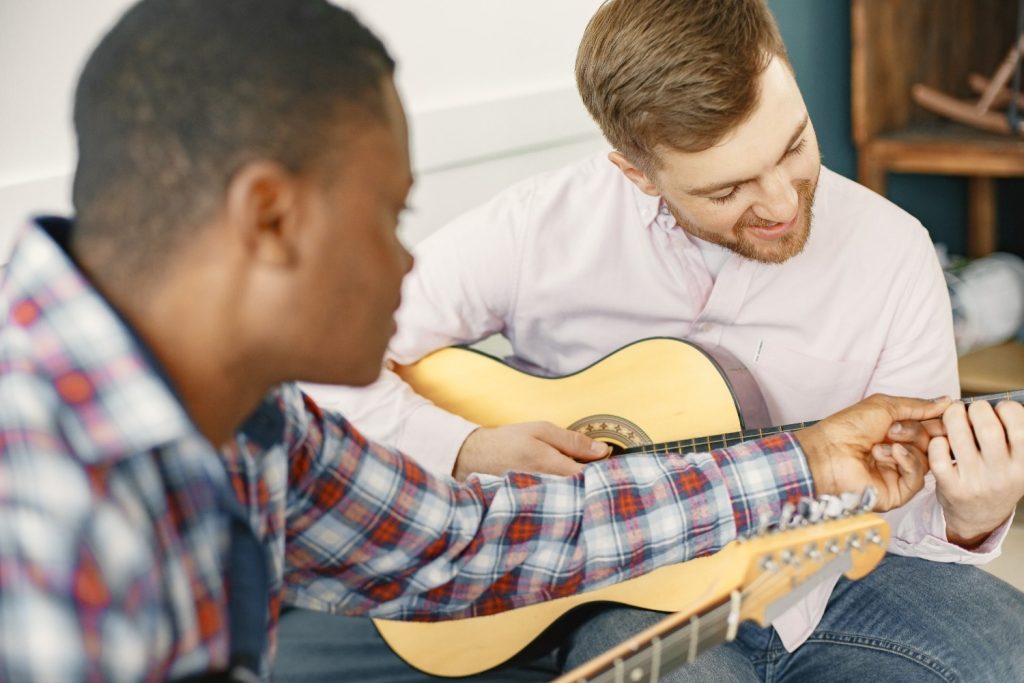
The fundamentals are similar for both instruments. Beginners may learn the keyboard layout, rhythm, hand coordination, chords, notation and simple songs.
The emphasis can then differ according to the instrument and your goals. Piano lessons may focus more on scales, technique, repertoire, dynamics and pedalling, while keyboard lessons can incorporate chords, contemporary songs, different sounds and playing along with tracks.
For adult learners, lessons that reflect their interests can also make regular practice easier to maintain.
Can You Switch From Keyboard to Piano Later?
Yes. The basic note layout is the same, so skills such as recognising notes, playing chords, keeping rhythm and coordinating both hands can transfer between the instruments.
A keyboard player moving to piano will need to adjust to heavier keys and pedal technique. A pianist moving to keyboard may need to become familiar with lighter keys and additional controls.
The transition takes some adjustment, but you are not starting from zero.
How Often Should an Adult Practise?
Consistency is more important than trying to fit one very long session into your week. Regular practice helps reinforce what you learn during lessons and gradually improves coordination and confidence.
Your schedule will determine what is realistic. Choosing an instrument that is convenient to access and enjoyable to play can make it easier to practise consistently.
Where to Start With Keyboard Lessons in Singapore

Once you decide that a keyboard suits your goals, the next step is finding lessons that match your experience and musical interests.
Studio 72 offers keyboard lessons for adults in Singapore, with lessons tailored to individual goals. Whether you are starting from scratch or returning to music after a break, learning through music that interests you can make the experience more rewarding.
If you are unsure whether the keyboard is the right instrument, speaking with an instructor about your goals before committing to regular lessons can help you make an informed decision.
Conclusion
Choosing between keyboard vs piano lessons in Singapore ultimately depends on your musical goals, practice environment and preferred playing style. A keyboard may suit adults who value versatility, portability and quieter practice, while a piano or digital piano may be better for traditional piano technique and classical music.
The best instrument is one you will enjoy playing regularly. If you would like to discuss your options or learn more about adult music lessons, contact us now to get started.
Frequently Asked Questions
Is keyboard easier to learn than piano for an adult beginner?
A keyboard may feel easier initially, particularly with lighter keys and headphone practice. However, both instruments require regular practice to develop rhythm, coordination, and musical skills.
Can I learn piano technique on a keyboard?
Yes, although the type of keyboard matters. A weighted or hammer-action keyboard is more suitable for developing traditional piano technique than an unweighted model.
Do I need to buy an instrument before my first lesson?
Not necessarily. Taking a lesson first can help you decide whether you enjoy playing and what type of instrument best suits your goals.
Is a digital piano the same as a keyboard?
Not exactly. Digital pianos are designed to reproduce the sound and feel of acoustic pianos, while keyboards generally offer a wider range of sounds and features.
Which is better for playing with a band?
A keyboard is generally more flexible because it can produce different sounds and connect to amplification and other equipment.
Can I switch from keyboard to piano later?
Yes. Basic skills such as note recognition, chords, and hand coordination transfer between the instruments, although you will need to adjust to differences in key feel and pedal technique.