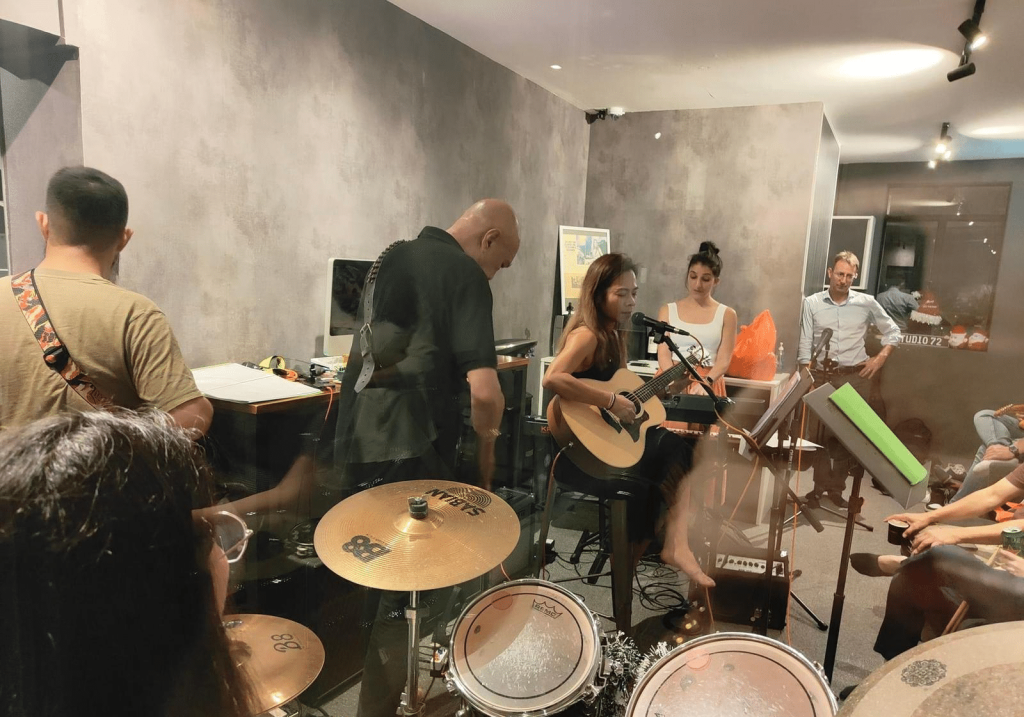
Learning to play the guitar as an adult can be both enjoyable and rewarding. Whether you have always wanted to play your favourite songs, take up a new hobby, or unwind after a busy working day, learning an instrument offers a creative outlet that fits into everyday life. If you are exploring music lessons in Singapore, choosing the right programme from the start can help you build confidence and enjoy learning for the long term.
Many adults give up within the first few months, but it is rarely because they lack ability. More often, they find themselves in lessons that are designed for children or centred on music examinations rather than practical playing. Adult learners generally want lessons that fit their schedules, match their goals and help them play music they enjoy.
Why More Adults in Singapore Are Learning Guitar
More adults in Singapore are learning the guitar as a creative hobby, a way to develop a new skill or simply to enjoy making music in their free time. Many have a clear goal, whether it is playing their favourite songs, accompanying themselves while singing or joining friends for an informal jam session.
Unlike younger students, adult learners are usually less interested in graded examinations and more focused on building practical skills. Lessons that are flexible, engaging and tailored to personal goals often provide a more enjoyable learning experience.
What Should You Look for in Guitar Lessons in Singapore
Not every guitar course is designed with adult learners in mind. Before enrolling, look beyond the lesson fees and consider what will support your progress over time.
A quality guitar programme should offer:
- An adult-focused curriculum that matches your experience and learning pace.
- A trial lesson so you can experience the teaching style before committing.
- Instructors with both teaching experience and real-world performing backgrounds who can combine sound technique with practical advice.
- Flexible scheduling and a clear rescheduling policy to accommodate work and personal commitments.
If you are an adult beginner, choosing a music school that specialises in teaching adults can provide a more comfortable and encouraging learning experience.
Acoustic or Electric: Which Should You Start With
Both acoustic and electric guitars are excellent choices for beginners, and the right option depends on the type of music you would like to play.
An acoustic guitar is often recommended for learners who want to develop finger strength, rhythm, and technique without additional equipment. An electric guitar may be a better fit if you enjoy rock, blues, or contemporary music.
A good instructor will recommend the instrument that best suits your musical interests and learning goals.
Common Myths About Learning Guitar as an Adult
Some misconceptions discourage adults from getting started, even though they are far from true.
“I am too old to learn.”
There is no age limit for learning the guitar. Many adult beginners start with no previous musical experience and make steady progress through regular practice and structured lessons.
“I need an expensive guitar.”
Owning a premium instrument is not necessary. A quality beginner guitar is more than enough to start learning, and many music schools provide guitars for trial and introductory lessons.
“I have no musical background.”
You do not need to read music or have played an instrument before. Every guitarist starts with the basics, and a well-structured course will guide you through each stage of learning.
What Should a Beginner Guitar Course Cover
A beginner guitar course should cover:
- Proper posture, hand positioning, and guitar setup.
- Basic open chords and simple strumming patterns.
- Rhythm and timing, including practising with a metronome.
- Reading guitar tablature and basic music notation.
- Playing complete songs that match your musical interests.
- More advanced techniques such as fingerpicking, lead guitar and, for electric guitar players, understanding tone and effects.
How Long Does It Take to Learn Guitar
Everyone learns at a different pace, so there is no fixed timeline. However, many adult beginners can play simple songs after a few months of regular lessons and consistent practice.
Short practice sessions of around 15 to 20 minutes on most days are generally more effective than practising for several hours once a week. Developing a routine helps improve technique, build confidence and make learning more enjoyable.
What to Expect in Your First Trial Lesson
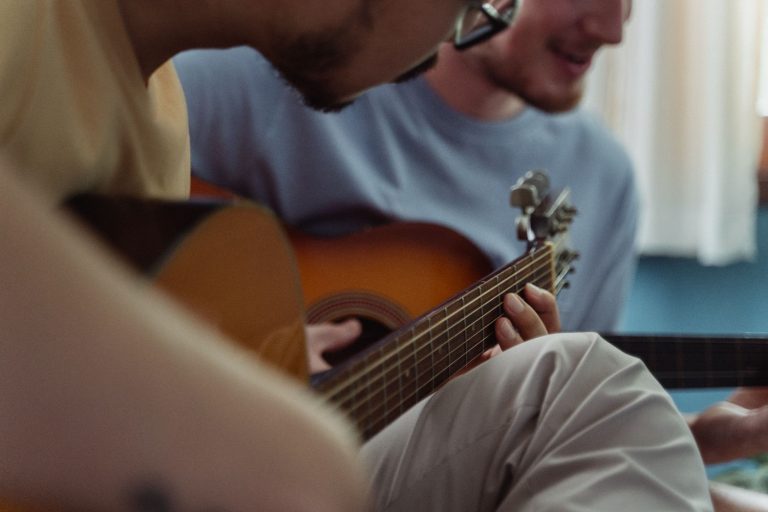
A trial lesson allows you to see whether a music school is the right fit before committing to a course. It should introduce the instructor’s teaching style, help you understand how lessons are structured, and give you the chance to play your first notes or chords.
Most trial lessons begin with a short discussion about your musical interests, goals, and any previous experience. Your instructor will then guide you through the basics, including posture, hand positioning, and simple playing techniques. By the end of the session, you should have a clear understanding of what to expect if you decide to continue.
Finding Guitar Lessons Near You in Singapore
Choosing a conveniently located music school can make it much easier to attend lessons regularly. If travelling becomes time-consuming, it is often harder to stay committed, especially when balancing work and other responsibilities.
If you work around Raffles Place, Clarke Quay or the wider CBD, Studio 72 in Boat Quay offers guitar lessons in Singapore that are easy to fit into your schedule before or after work.
Before enrolling, consider booking a trial lesson. It allows you to meet your instructor, experience the teaching approach first-hand and decide whether the lessons are the right fit for your learning style and goals.
Conclusion
Choosing the right guitar lessons in Singapore is about finding a programme that suits your experience, interests and lifestyle. With structured lessons, experienced instructors and regular practice, you can build the skills and confidence to enjoy playing the guitar for years to come.
If you are ready to take the next step or would like advice on choosing the right course, speak to our team to learn more or arrange a trial lesson.
Frequently Asked Questions
Is it too late to learn guitar as an adult in Singapore?
No. Many adults in Singapore begin learning the guitar without any previous musical experience. Your progress depends far more on regular lessons and practice than on your age.
How much do guitar lessons cost in Singapore?
Private guitar lessons in Singapore typically cost between $280 and $380 per month for four lessons, while group lessons are generally more affordable. Fees vary depending on the instructor’s experience, lesson duration, and class format.
Do I need to own a guitar before starting lessons?
No. Many music schools, including Studio 72, provide guitars for trial and introductory lessons, so you can begin learning before deciding whether to purchase your own instrument.
Should I start with an acoustic or an electric guitar?
Both are suitable for beginners. The best choice depends on the style of music you want to play, and your instructor can recommend the option that best matches your interests and learning goals.
How often should I practise as a beginner?
Practising for 15 to 20 minutes on most days is generally more effective than one long practice session each week. A consistent routine helps improve technique and build confidence over time.