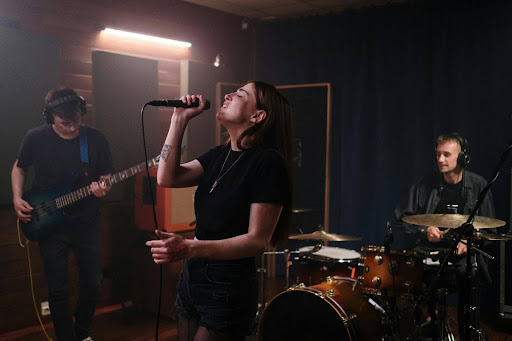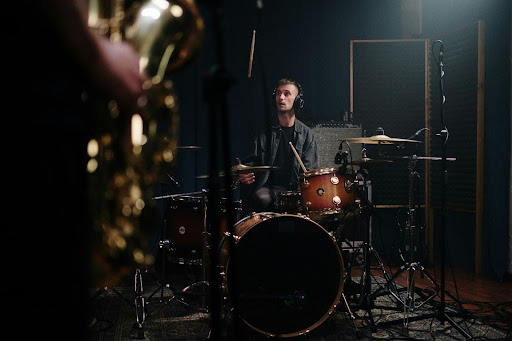
A drum kit is not a one-size-fits-all instrument. How you set up your kit directly impacts your tone, comfort, and performance across different music styles. For drummers taking music lessons in Singapore or honing their skills independently, understanding how drum setup choices affect sound is essential for playing with greater control, accuracy, and expression.
While the core components of a drum kit remain the same, a jazz setup responds very differently from one designed for rock, metal, or pop. This comprehensive guide covers how to customise your drum kit for any music genre, including what to adjust, why it matters, and how to create a setup that enhances your playing. Whether practising, recording, or performing live, the right drum kit setup helps you achieve a natural, genre-appropriate sound and perform at your best.
Why Drum Kit Setup Changes by Music Genre
Every music genre places unique demands on a drummer. These demands influence drum sizes, tuning ranges, cymbal selection, and physical layout. Ignoring these differences can make your playing feel uncomfortable and your sound less authentic.
For example:
- Rock drumming focuses on power, projection, and durability
- Jazz prioritises dynamics, articulation, and tonal control
- Pop requires consistency, clarity, and balance
- Metal demands speed, precision, and physical endurance
Customising your drum kit allows you to play more efficiently and meet the expectations of each musical style.
Core Drum Kit Components You Can Customise
Before adjusting your kit for specific genres, it is essential to understand the main components that can be modified. These elements form the foundation of your sound and physical setup. Learning how each part affects tone, response, and ergonomics allows you to make informed decisions rather than relying on trial and error.
Key components include:
Drum Sizes and Shell Choices
Drum size and shell construction have a far greater influence than volume alone. They affect how quickly a drum responds, how much sustain it produces, and how well it sits in a mix. Choosing suitable sizes and materials helps your kit naturally complement the genre you are playing.
- Kick drum size: Larger kick drums (22–24 inches) produce deep low-end punch, ideal for rock and metal. Smaller kick drums (18–20 inches) respond faster and suit jazz, funk, and lighter styles.
- Tom sizes and depth: Deeper toms provide more resonance and sustain, while shallower toms offer faster attack and clearer articulation.
- Shell materials: Maple provides warmth and balance, birch delivers clarity and attack, and mahogany creates a deeper low end.
Cymbal Selection and Placement
Cymbals define the character of your playing. Their size, weight, and positioning affect articulation, sustain, and movement around the kit. Thoughtful cymbal selection and placement improve both sound quality and efficiency.
- Ride cymbals: Larger, darker rides suit jazz and expressive playing, while brighter rides cut through dense mixes in rock and metal.
- Hi-hats: Smaller hi-hats respond quickly, heavier hi-hats provide volume and control for louder genres.
- Crash placement: Close placement supports fast transitions, wider placement allows stronger accents and greater visual impact.
Drum Tuning Fundamentals
Tuning is crucial for shaping your drum tone. Proper tuning ensures a consistent response across the kit and allows you to adapt to different musical styles.
- Higher tuning produces brighter, articulate tones
- Lower tuning creates depth, weight, and punch
- Batter and resonant heads must work together for balance
Jazz and pop often favour open tuning with minimal dampening, while rock and metal usually use controlled tuning to manage overtones and increase focus.
Drum Kit Setup for Popular Music Genres
Once the core elements are understood, you can tailor your kit to specific styles. Each genre has unique sonic and physical requirements.
Rock Drum Kit Setup
Rock drumming emphasises impact, volume, and presence. A rock setup is designed for power and stability.
Typical features:
- Kick drum around 22 inches
- Medium to large toms with controlled resonance
- Snare tuned medium to high for a sharp, cutting sound
- Heavier cymbals for projection and durability
Position the drums to allow strong strokes without overreaching.
Jazz Drum Kit Setup
Jazz drumming prioritises nuance, touch, and interaction. Jazz setups focus on responsiveness and tonal openness.
Common characteristics:
- Smaller kick drum (18–20 inches)
- Shallow toms tuned higher
- Ride cymbal as the primary timekeeper
- Minimal dampening for natural resonance
Drums should feel close and comfortable for subtle dynamics and phrasing.
Pop Drum Kit Setup
Pop music requires reliability and consistency. A pop kit setup delivers clean, repeatable tones suitable for studio and live settings.
Key elements:
- Balanced drum sizes
- Clean tuning with controlled sustain
- Versatile cymbals for multiple contexts
- Consistent positioning for muscle memory
Metal Drum Kit Setup
Metal drumming demands speed, endurance, and precision. Metal setups focus on efficiency and control.
Essential features:
- Double bass pedals or twin kick drums
- Lower-tuned kick and toms
- Damping to control overtones
- Cymbals positioned for fast access
Comfort and efficiency are critical for maintaining accuracy during long, high-intensity sessions.
Ergonomics and Comfort Across Genres
No matter the style, ergonomics are key for preventing injury and improving consistency.
- The height that supports an upright posture
- Snare height that avoids wrist strain
- Tom angles that follow natural arm movement
Good ergonomics should always accompany tonal and stylistic adjustments.
Studio vs Live Drum Kit Setup

The playing environment affects your kit setup. Studio and live settings have different requirements.
Studio:
- Tighter tuning captures clean tones
- Reduced cymbal volume limits microphone bleed
- Clear spacing allows effective mic placement
Live:
- Projection and visibility become important
- Hardware stability is essential
- Monitoring access influences drum placement
Adapting your setup for the environment improves performance and sound.
Tips for Multi-Genre Drummers and Refining Your Setup
Drummers who play multiple styles need a flexible approach. Combining practical tips with ongoing refinement ensures your kit remains effective.
Helpful strategies include:
- Using memory locks for fast repositioning
- Keeping spare drumheads for quick tonal changes
- Learning basic tuning adjustments
- Building a modular setup for easy adaptation
For drummers seeking professional guidance and practical advice, structured drum lessons can accelerate skill development.
Conclusion
Customising your drum kit setup is essential for achieving the right sound, comfort, and performance across different music genres. By adjusting drum sizes, shell materials, cymbals, tuning, and positioning, drummers can play more efficiently and expressively in rock, jazz, pop, or metal. Ergonomics and adapting your setup for studio or live environments are equally important.
Take your playing to the next level and book a free trial now to get personalised instruction and hands-on support.
Frequently Asked Questions
Can one drum kit be used for all music genres?
Yes, but adjustments are required. Tuning, cymbal choice and positioning can be modified to suit different styles without replacing the entire kit.
How do I tune my drums for different styles of music?
Higher tuning suits jazz and pop, while lower tuning works better for rock and metal. Start with even tension and adjust gradually.
What is the best drum kit setup for beginners?
A standard five-piece kit with medium-sized drums is ideal. Focus on comfort, basic tuning, and simple cymbal placement.
Does cymbal size really matter for different genres?
Yes. Larger cymbals offer wash and sustain for jazz, while smaller or heavier cymbals provide control and cut for louder genres.
How often should I change my drum setup?
Any time your musical style changes or you experience discomfort. Regular evaluation helps maintain good technique and sound quality.