Choosing a music school in Singapore is an important step for anyone passionate about music, whether you are an aspiring musician or a parent looking for the right learning environment for your child. A great school not only develops technical skills but also inspires creativity, confidence, and a lifelong love for music. At Studio 72, we provide comprehensive music lessons in Singapore that cater to all ages and skill levels.
1. Check the School’s Credentials
Before enrolling, it is essential to verify the qualifications and experience of the teaching staff. Reputable music schools employ instructors who are formally trained in their instruments and have significant teaching experience. Teachers with a professional performance background can offer insights that go beyond standard lessons, helping students gain both skill and stage confidence.
Look for certifications, degrees, or notable achievements in music. Schools that are transparent about their faculty’s credentials demonstrate professionalism and credibility.
2. Explore the Range of Courses Offered
A well-rounded music school offers a variety of lessons, catering to different interests and skill levels. Popular courses typically include:
- Guitar
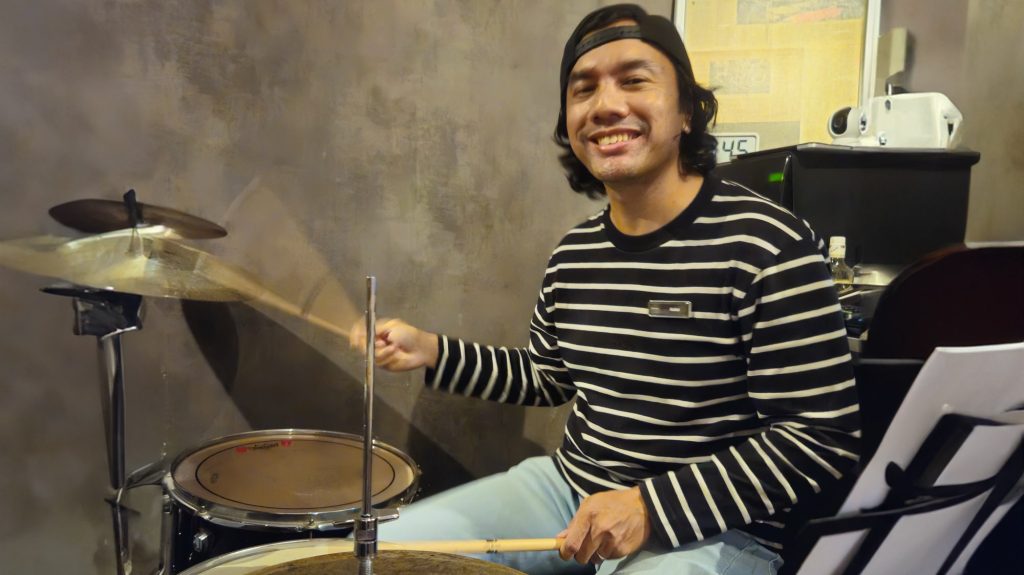
- Drums
- Vocals
- Keyboard/Piano
- Bass
- Ukulele
Schools with a diverse course selection provide opportunities for students to explore multiple instruments, join ensembles, or participate in workshops. This flexibility can be crucial for developing a broad musical foundation and discovering your true passion.
3. Read Student Reviews and Testimonials
Feedback from current and past students is an invaluable resource. Look for authentic reviews that mention the quality of instruction, the learning environment, and the progress students have made. Positive success stories, especially those highlighting student achievements or performances, indicate a school that genuinely supports its learners.
Online platforms, social media pages, and community forums can provide honest opinions about the school’s reputation.
Video testimonials or performance showcases provide credible evidence of student skill development and stage confidence.
4. Visit the Facilities
The physical environment plays a significant role in the learning experience. A music school with clean, well-maintained, and fully equipped studios creates a professional and inspiring atmosphere.
During a visit, check for:
- Instrument quality and availability
- Soundproof practice rooms
- Comfortable seating areas for students and parents
- A friendly and welcoming atmosphere
Schools that provide recording studios or digital music equipment give students an edge in modern music production, which is increasingly relevant for aspiring musicians today.
5. Ask About Performance Opportunities
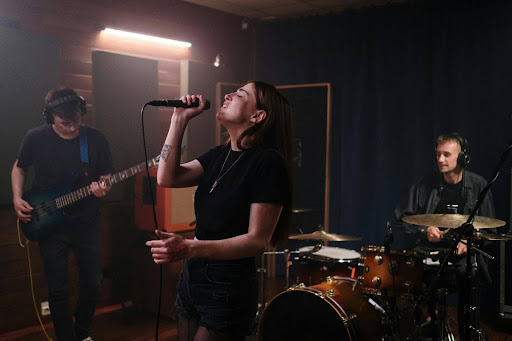
Performance experience is essential for building confidence and real-world skills. The best music schools provide students with chances to perform in recitals, showcases, or community events.
Ask about:
- Regular student recitals or concerts
- Opportunities to join bands or ensembles
- Recording or studio sessions for advanced students
Engaging in performances allows students to apply their learning, overcome stage fright, and develop stage presence, which cannot be acquired solely through lessons.
6. Consider the Learning Environment
Beyond credentials and courses, the overall learning atmosphere is key to student engagement. A supportive, motivating, and structured environment encourages consistent practice and progress.
Look for schools that:
- Foster a collaborative and inclusive community
- Encourage student participation in ensembles and workshops
- Provide personalised learning plans tailored to each student
A nurturing environment helps in skill development and instills confidence and a love for music.
7. Evaluate the School’s Approach to Technology
In the digital age, technology can enhance music learning significantly. Top music schools integrate:
- Online lesson options for convenience
- Digital resources and sheet music
- Music software and apps for practice and theory
This approach allows for flexible, self-paced practice, ensuring students continue progressing even outside the classroom.
8. Consider Your Long-Term Goals
Different music schools specialise in varying paths: hobbyist learning, examination preparation, or professional career development. Understanding your goals will help you choose a school that aligns with your aspirations.
- Hobbyist: Focus on enjoyment, personal growth, and casual performances.
- Examination: Structured curriculum leading to recognised certifications.
- Professional: Advanced instruction, performance, and industry guidance.
9. Ask About Pricing and Packages
Lesson costs vary depending on instrument, class type, and teacher experience. Most music schools offer:
- Private lessons for personalised instruction
- Group lessons for collaborative learning
- Bundled packages for multiple sessions
Understanding the pricing structure ensures there are no surprises and helps you choose a plan that fits your budget without compromising quality. At Studio 72, you can explore specialised programs such as drum lessons in Singapore and easily schedule a trial class.
Conclusion
Selecting the right music school in Singapore involves more than just course offerings. By considering credentials, course variety, student feedback, facilities, performance opportunities, learning environment, technology, long-term goals, and pricing, you can find a school that nurtures talent, inspires creativity, and builds confidence.
The right music school sets the stage for a fulfilling musical journey, whether you are learning for enjoyment or aiming for professional growth. You can book a free trial today to experience the learning environment firsthand.
Frequently Asked Questions
What should I look for in a music school in Singapore?
Look for qualified teachers, diverse courses, positive student feedback, good facilities, performance opportunities, and a supportive learning environment.
How much do music lessons cost in Singapore?
Lesson costs vary by instrument, class size, and teacher experience. Private lessons usually range from SGD $95 – 120 per hour, while group classes may be more affordable.
Are group or private lessons better for beginners?
Private lessons offer personalised guidance, while group lessons provide social interaction and ensemble experience. Beginners often benefit from a combination of both.
What instruments can I learn at Studio 72?
Studio 72 offers lessons in guitar, drums, vocals, keyboard, bass, and ukulele, group drum, and group guitar.
How do I know if a teacher is qualified?
Check for formal training, certifications, teaching experience, and professional performance history. Reputable schools provide transparent information about their instructors.
Can I switch instruments or courses later?
Many schools allow students to explore multiple instruments or switch courses as interests evolve, providing flexibility in their musical journey.